Speaker
 Presentation in Spanish
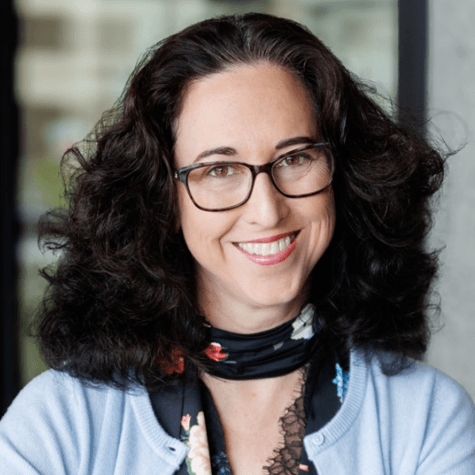
LARISSA NIEC
UNIVERSITY OF WISCONSIN. UNITED STATES
Larissa N. Niec, PhD is Professor in Psychotherapy and Mental Health Interventions at the University of Wisconsin—Madison and President of PCIT International. She earned her Ph.D. in Clinical Psychology from Case Western Reserve University and completed a postdoctoral fellowship at the University of Oklahoma Health Sciences Center.
Through her NIH-funded research, Dr. Niec seeks to increase access to evidence-based interventions for underserved families, with an emphasis on improving health equity. Dr. Niec is a Global Trainer in Parent-Child Interaction Therapy and has conducted PCIT trainings in over ten countries. Dr. Niec publishes extensively on the effectiveness and implementation of PCIT. Her recent books include Strengthening the Parent-Child Relationship in Therapy: Laying the Foundation for Healthy Development and Telemental Health Care for Children and Families. Dr. Niec is involved in the UW–Madison’s RISE-THRIVE initiative to advance mental health interventions and improve community well-being. Her work has been featured in outlets such as the Washington Post and NBC Today.
Parent-Child Interaction Therapy in the Spanish-Speaking World: Feasibility and Effectiveness

Parent-Child Interaction Therapy (PCIT) is a powerful, transdiagnostic behavioral health intervention for families with children 2-7 years of age. More than 45 years of research have found that PCIT strengthens the parent-child relationship, reduces child behavior problems, increases effective, nurturing parenting practices, and reduces the risk of child maltreatment. In the United States, PCIT has been identified as a best-practice treatment in case of child abuse.
Although PCIT is currently implemented in 22 countries, until recently it has not been disseminated among Latin American countries. Within the past four years, however, there has been growing interest in making PCIT available to families in Chile and Spain. This symposium will discuss recent initiatives to implement PCIT among Spanish-speaking families. Four presentations will provide: (1) A review of the unique aspects of the PCIT model and a description of the research outcomes across cultures, (2) Findings from a mixed-methods study examining engagement in PCIT among families in Chile, (3) Findings from an investigation of the strengths and challenges of implementation of PCIT in Chile, and (4) Results from the initial implementation of PCIT in Spain.
Across the four presentations, we will discuss the process of tailoring the model to the cultures and describe initial data on the feasibility and effectiveness of the intervention in implementation initiatives in Spain and Chile. Findings to date demonstrate that PCIT is feasible to implement across cultures and that families in both Chile and Spain find PCIT to be acceptable. Quantitative data reveal that PCIT has large positive effects among Spanish-speaking families.
ORGANIZED BY

ASSOCIATE

WITH THE SUPPORT OF