Speaker
 Presentation in English
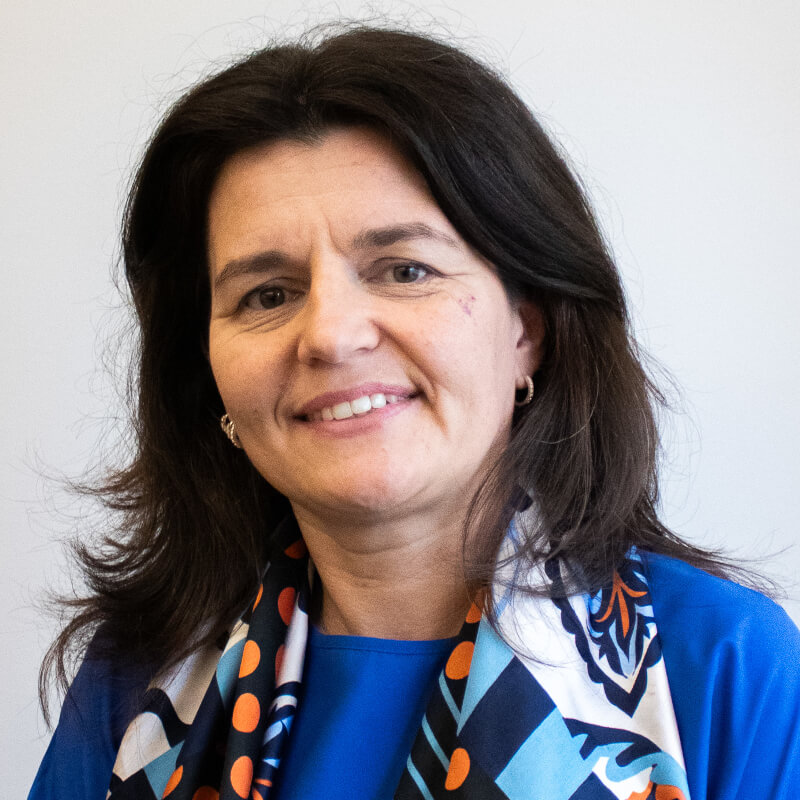
DIANA ALVES
UNIVERSITY OF PORTO. PORTUGAL
Diana Alves is a psychologist and Assistant Professor at the Faculty of Psychology and Educational Sciences of the University of Porto (FPCEUP), where she conducts research, teaching, and intervention. Holding a bachelor’s, master’s, and doctoral degree in psychology from FPCEUP, she has focused her work on assessment and intervention with children and adolescents, with a particular emphasis on promoting academic success, socio-emotional learning, and well-being.
Since October 2023, she has coordinated the Cultural Prescription group within a regional consortium dedicated to implementing an innovative program in the Northern region, articulated around the axes of training, action, and research. Her work reflects a commitment to combining scientific knowledge and social impact through training, research, and intervention.
Art and well-being in children and youth: different forms of intervention

Participation in arts-based interventions is increasingly recognised as an effective approach to promoting well-being among children and young people across both educational and clinical settings. Evidence from studies by Anita Jensen suggests that initiatives such as Arts on Prescription are associated with improvements in self-efficacy, social connectedness, and emotional well-being (Jensen et al., 2024; Jensen et al., 2023). These findings are consistent with the World Health Organization’s review, which highlights the role of the arts in health promotion, disease prevention, and therapeutic support across the lifespan (World Health Organization, 2019).
This symposium brings together four contributions that showcase diverse forms of artistic intervention in child and youth contexts. The first examines the use of dance in work with a child presenting an anxiety disorder, emphasising its role in facilitating emotional expression and regulation. The second explores the use of music in a group-based intervention for children with attention-deficit/hyperactivity disorder, highlighting its potential to enhance attention, engagement, and social interaction. The third contribution focuses on an arts-based intervention implemented in primary education, demonstrating how creative practices can be integrated to support both well-being and learning. Finally, the symposium concludes with the presentation of a cultural prescription project developed at the University of Porto, illustrating the application of arts-based approaches in higher education settings. Taken together, these contributions highlight the relevance and versatility of the arts as powerful tools for supporting mental health and well-being in younger populations.
ORGANIZED BY

ASSOCIATE
WITH THE SUPPORT OF