Speaker
 Presentation in Spanish
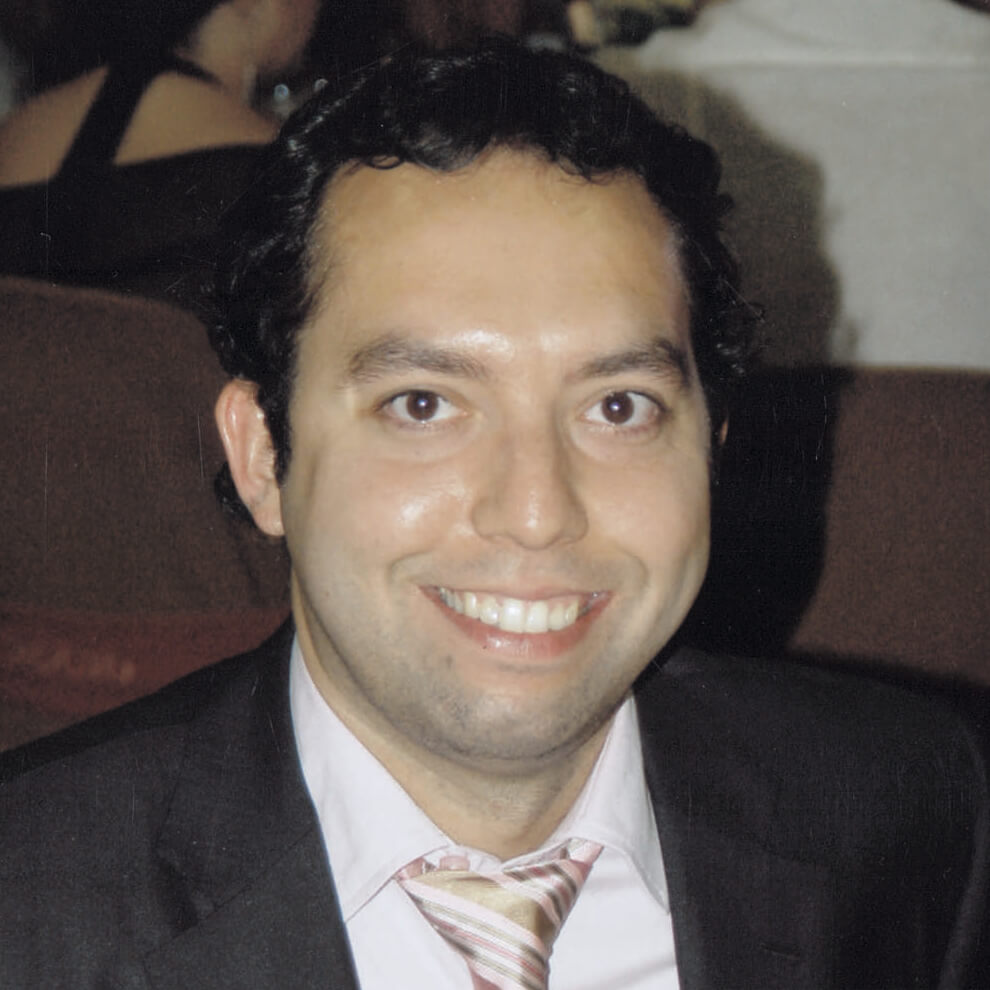
FRANCISCO M. MORALES
UNIVERSITY OF GRANADA. SPAIN
Associate Professor (Profesor Titular de Universidad) in the Department of Developmental and Educational Psychology at the University of Granada. His teaching and research career focuses on mental health, psychological well-being, and coping with daily stress in childhood, adolescence, and youth, with particular attention to emotional regulation, anxiety, aggression, school coexistence, bullying, and risk behaviors in educational contexts. He also develops research lines related to the impact of technologies and artificial intelligence on education, mental health, and academic performance.
He is the head of the HUM-393 research group, “Learning processes, coping with stress, and construction of socio-environmental knowledge,” and has led various research and teaching innovation projects. His main research lines include the prevention of psychological distress and the promotion of well-being in education, school coexistence, bullying, burnout, educational and social inclusion, affective-sexual, body, and gender diversity, the impact of technologies and AI on psychoeducational variables, and teacher training in socio-emotional and ICT competencies.
He has an extensive scientific output, with more than 200 publications and contributions to journals indexed in JCR and Scopus, as well as books and book chapters in academic publishers. He has served as associate editor and guest editor for international scientific journals and regularly collaborates as a reviewer for high-impact publications.
He has supervised doctoral theses and numerous master’s and bachelor’s final projects in related areas at different universities, many of them focused on the design and validation of intervention programs and materials transferable to educational centers. His career combines research, teaching, and knowledge transfer, including participation in OTRI projects, and he has received several research and innovation awards, including the William James Award for Psychopedagogical Innovation.
Well-Being and Mental Health in Childhood and Adolescence: Quality of Life, Coping with Daily Stress, and Risk Behaviors

The symposium aims to present empirical evidence on well-being and mental health in childhood and adolescence, integrating quality of life, coping with daily stress, and their relationship with indicators of socio-emotional maladjustment, risk behaviors, addictions, and violence in educational contexts.
The symposium is structured into four presentations addressing the following topics: (1) the analysis of children’s quality of life and its dimensions associated with perceived well-being, considering socio-emotional and educational variables; (2) the study of coping with daily stress (functional and unproductive strategies) in different domains and its association with psychological adjustment, with particular attention to vulnerability/protection profiles and their relationship with variables such as homophobia among secondary school students; (3) the exploration of risk behaviors in adolescence, including patterns of problematic gambling, and their links with specific coping strategies, impulsivity levels, and psychological distress; and (4) the inclusion of well-being and subjective happiness indicators, together with markers of distress such as stress and burnout in educational contexts, analyzing differences according to sociodemographic variables (e.g., gender and nationality).
Results will be presented based on the administered instruments, highlighting the most relevant associations and analyses of differences according to sociodemographic factors. As an element of innovation, artificial intelligence–based analytical methodologies will be incorporated, using neural networks to optimize the identification of risk and protection patterns and profiles. Based on these findings, implications for early detection and the design of psychoeducational and health education interventions in schools and community resources will be discussed. These interventions will aim to strengthen adaptiv.
ORGANIZED BY


ASSOCIATE

WITH THE SUPPORT OF