Speaker
 Presentation in English
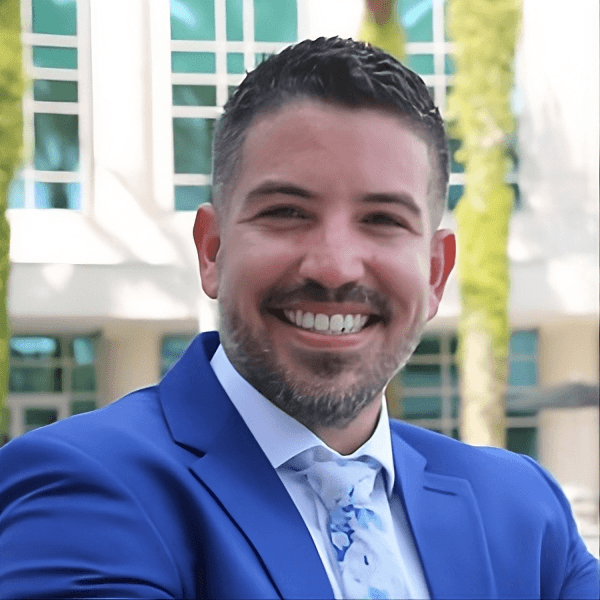
OMAR MARTÍNEZ
UCF COLLEGE OF MEDICINE. UNITED STATES
Professor Omar Martínez earned a Master’s in Public Health and a Juris Doctorate from Indiana University-Bloomington, followed by a Master’s in Clinical Research Methods from Columbia University Mailman School of Public Health. He completed a postdoctoral fellowship in behavioral science and HIV prevention at the HIV Center for Clinical and Behavioral Studies at Columbia University and the New York State Psychiatric Institute.
As director of the Implementation Science Research Lab, Professor Martínez leads nationally and internationally recognized research on evidence-based interventions. His work focuses on improving the development, uptake, and effectiveness of interventions and policies in clinical and community settings to advance population health.
Legal Epidemiology and Adolescents and Young Adults in the United States: A Review of Research and Findings

Legal epidemiology, the scientific study of how laws, legal practices, and policies affect population health, mental health, and health equity, has emerged as an important framework for understanding how structural determinants shape health outcomes. Growing evidence demonstrates that legal and policy environments influence access to healthcare, economic stability, housing security, educational opportunities, immigration experiences, and overall well-being. Laws and policies can either promote health and equity or create barriers that disproportionately affect marginalized populations. Adolescents and young adults are particularly vulnerable to these influences as they navigate critical developmental transitions while facing social, economic, and legal challenges that can have lasting effects on their health, mental health, and future opportunities.
Medical–Legal Partnerships (MLPs) represent a promising model for translating legal epidemiology into practice. By integrating legal professionals within healthcare settings, MLPs address Health-Harming Legal Needs (HHLN) that undermine health and mental health outcomes and contribute to inequities. These legal needs may include housing instability, immigration-related concerns, denial of public benefits, educational barriers, employment issues, family law matters, discrimination, and access to essential services. Through collaboration among healthcare providers, attorneys, behavioral health professionals, and community organizations, MLPs seek to identify and resolve legal barriers while promoting equitable access to resources and opportunities.
This symposium highlights emerging research and practice-based evidence examining the intersection of legal epidemiology, Medical–Legal Partnerships, and adolescent and young adult health. Collectively, the presentations demonstrate how legal conditions function as structural determinants of health and mental health and illustrate innovative approaches for addressing legal vulnerabilities through healthcare-based interventions.
The first presentation introduces the foundations of legal epidemiology and explores how legal environments shape the experiences of adolescents, young adults, and their families. Drawing on ongoing Medical–Legal Partnership research, the presentation examines issues such as immigration enforcement, deportation fears, advance care planning among youth with chronic conditions, legal precarity, and the mental health consequences of adverse legal environments. These examples demonstrate how legal and policy contexts directly influence healthcare engagement, mental health, and access to resources.
The second presentation presents findings from one of the first multi-site Medical–Legal Partnerships in the United States specifically designed to address the HHLNs of migrant populations. Conducted across Philadelphia, New York City, and San Juan, Puerto Rico, this initiative examines the social determinants of health and legal challenges experienced by adolescents and young adults. Preliminary findings highlight substantial needs related to housing instability, access to public benefits, immigration-related legal concerns, and economic insecurity, while demonstrating the potential of legal interventions to improve health and mental health outcomes.
The third presentation examines team-facing legal support for healthcare providers, while the final presentation explores the integration of Medical–Legal Partnerships into perinatal and neonatal healthcare settings, highlighting opportunities to address legal needs early in the life course.
Together, these presentations underscore the growing contribution of legal epidemiology to understanding adolescent and young adult health and mental health and demonstrate the potential of Medical–Legal Partnerships to reduce structural inequities and advance health justice in the United States.
ORGANIZED BY


ASSOCIATE

WITH THE SUPPORT OF