Speaker
 Presentation in English
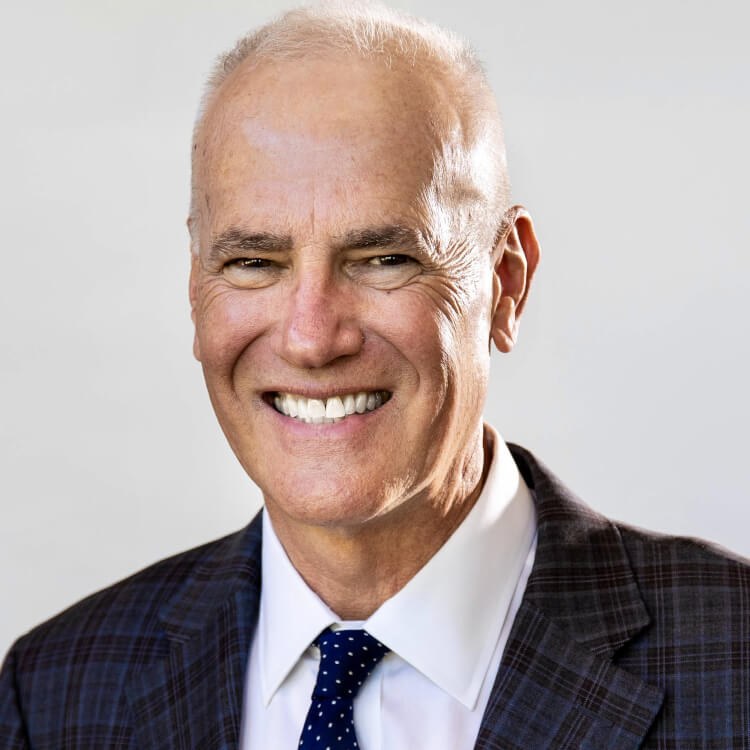
RANDY KAMPHAUS
UNIVERSITY OF OREGON. UNITED STATES
Randy W. Kamphaus is Professor Emeritus at the University of Oregon, where he served as Dean of the College of Education. Previously, he also held this position at Georgia State University. He has also served as President of the Division of Educational Psychology of the American Psychological Association (APA) and as Executive Director of the Ballmer Institute for Children’s Behavioral Health at the University of Oregon.
His research has focused on the measurement of psychological and educational constructs, with a particular emphasis on the development and validation of assessment instruments aimed at the early detection and prevention of emotional and behavioral difficulties in childhood and adolescence. Among his most notable contributions is the Behavior Assessment System for Children (BASC), one of the most widely used assessment batteries internationally for psychological evaluation in children and adolescents.
In recognition of his scientific and professional career, he has received numerous awards, including the title of Senior Scientist granted by the APA.
Early Detection of Behavioural Health Needs of “Subthreshold” Youth

Youth experiencing “subthreshold” symptoms of a mental health disorder are often not identified and as a result do not receive needed behavioural health promotion, prevention, and treatment services. Although subthreshold youth may possess as few as three or four symptoms of a mental health disorder, about a third of them display significant functional impairment, which constitutes a major, unaddressed public health burden.
There is a growing consensus among both psychology and public health professionals that failure to identify the subthreshold youth constitutes a lost opportunity to intervene when symptoms are most amenable to lower-cost, effective interventions that promote behavioural health, mitigate current impairment, and decrease the likelihood of escalation to a full syndrome mental health disorder.
Numerous individual research studies and meta-analyses have found that educator and parent referral, the de facto standard-of-practice for entry into many existing mental health services systems, misses about 90% of subthreshold youth. Brief behavioral health screening, supported by evidence of improved detection, has emerged as a promising component of a “well-child” behavioural health “checkup” for identifying subthreshold youth. We have been working for the past couple of decades to better understand the presentation of youth with subthreshold behavioural health needs and create practical screeners that improve detection accuracy in education and health care settings.
It is our hope that new behavioural health screening measures and practices will help psychologists provide societal leadership for better serving the needs of subthreshold youth.
ORGANIZED BY


ASSOCIATE

WITH THE SUPPORT OF