Speaker
 Presentation in English
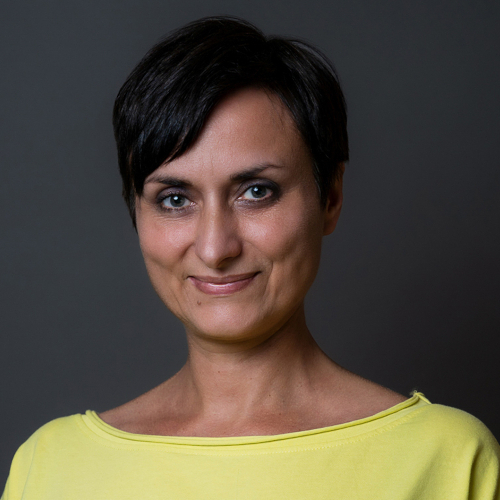
KATARZYNA SITNIK-WARCHULSKA
Institute of Applied Psychology, Jagiellonian University in Kraków. POLAND
Katarzyna Sitnik-Warchulska, MSc, PhD, is a licensed psychologist, clinical psychologist specialist, specialist in child and adolescent psychotherapy. She is a certified psychotherapist by the European Association for Psychotherapy (EAP) and practices Play Therapy. Additionally, she is a specialist in community therapy and a clinical psychology supervisor.
Dr Sitnik-Warchulska is an Assistant Professor at the Institute of Applied Psychology at Jagiellonian University in Kraków, Poland. She is also co-founder of the Systemic Therapy and Psychological Assistance Center “Diada” in Gliwice, Poland, where interdisciplinary support is provided to children and adolescents with neurodiversity and their families. With extensive experience as a family therapist at an adaptive-rehabilitation center for children with various disorders, she combines scientific research with clinical practice. For over 20 years, she has conducted clinical psychological diagnoses and therapies for children, adolescents, and families dealing with developmental, behavioral, emotional, and attachment disorders. Recently, she has been actively involved in the “Neurosmog” project, examining the effects of pollution on children’s developing brains.
Dr Sitnik-Warchulska is a member of the Ethics Commission for the Behavior Analyst Certificate. In her role as a provincial consultant in clinical psychology in Silesian Voivodeship, Poland, she coordinates regional specialization training in clinical psychology and serves on the Polish examination committee for clinical psychology specialization. Her scientific interests focus on psychopathology, clinical psychology of children and adolescents, therapeutic relationship, psychosocial diagnosis, and family therapy. She received awards for her contribution to the development of clinical psychology and psychological assistance for children and adolescents.
New Generations, Timeless Relationships: Family and Attachment Contexts of Child and Adolescent Mental Health

Today’s children and adolescents are growing up in a world where the boundaries between online and offline environments are increasingly blurred. Their relationships, experiences, and development are shaped within this dynamic, hybrid context. At the same time, they are living in an era of polycrisis, marked by uncertainty, global threats, and rapid social change. While these phenomena are often framed in terms of risk, an important question arises: Might they also present opportunities for new forms of adaptation and psychological resilience?
This symposium aims to explore the role of relationships—particularly parent–child bonds, as key resources and protective factors in young people’s mental health. Empirical findings will be presented demonstrating that the quality of family relationships, including cohesion, flexibility, and communication, is significantly associated with the emotional and behavioral functioning of children and adolescents. Particular attention will be given to multi-perspective assessment, incorporating both the viewpoints of young people and their parents as a necessary condition for a more comprehensive understanding of difficulties and resources.
By integrating quantitative and qualitative research perspectives with clinical experience, the symposium will reflect on what young people need in an ever-changing world and how adults, including parents and professionals, can effectively respond. A central question of this discussion is how relationships, including those developing within digital environments, can support emotional regulation, personal growth, and long-term psychological resilience.
ORGANIZED BY


ASSOCIATE

WITH THE SUPPORT OF