Speaker
 Presentation in English
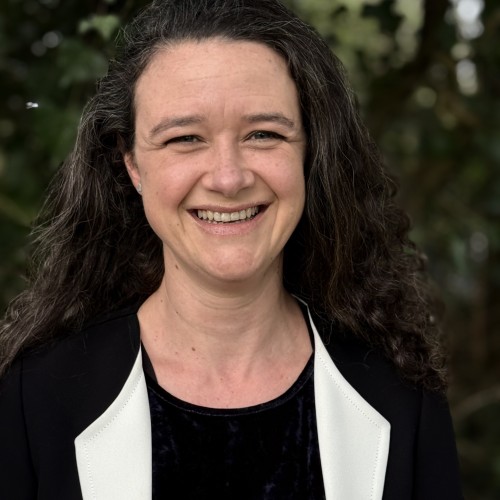
PAULINE SIMON
PARIS UNIVERSITY. FRANCE
Pauline Simon is a clinical psychologist, psychotherapist, and lecturer in Developmental Psychology at Nantes University, France. She obtained her PhD in Clinical Psychology and Psychopathology from Paris 8 University Vincennes Saint Denis.
Her professional and academic work focuses on child development, family relationships, psychopathology, foster care, and early intervention. She has extensive clinical experience working with children, adolescents, adults, and families in hospitals, private practice, and public child protection services.
Her research interests include relational interventions in foster care, attachment, and the psychological support of vulnerable children and families. She has also developed international experience through intercultural clinical practice and teaching in Vietnam, contributing to research and training in child and adult mental health services.
Interpersonal emotion regulation to enhance secure relationships

This symposium proposes a developmental and ecosystemic framework for understanding emotion regulation as a fundamentally interpersonal process, emerging through co-regulation within attachment relationships and evolving across multiple relational contexts. Moving beyond a strictly dyadic parent–child perspective, it highlights how emotion regulation develops from infancy to adulthood within dynamic support networks, including family, school, peers, and therapeutic systems.
The first presentation examines the foundations of emotion regulation from a young age, focusing on early attachment relationships as primary contexts of co-regulation. It explores how early caregiver–child interactions shape the emergence of regulatory capacities and relational security —particularly in contexts of foster care where foster carers tend to encourage verbal exchanges, reducing distractive processes in children.
The second presentation extends this developmental perspective to early childhood, investigating how preschool-aged children mobilize attachment and support figures across home and school environments. This contribution emphasizes the structuring role of relational networks in the development of interpersonal regulation strategies.
The third presentation focuses on adolescence, examining multifamily therapy in the context of eating disorders. The findings suggest that the group setting, along with the presence of other families, provides a secure base that promotes coregulation processes, reduces relational isolation, and supports the reorganization of emotion regulation strategies.
The fourth contribution addresses parental emotional competencies within the context of family therapy, highlighting how enhancing caregivers’ regulation strategies contributes to more secure and attuned relationships, and supports intergenerational processes of co-regulation.
Together, these contributions underscore the bidirectional and dynamic links between emotion regulation and relational security across the lifespan. By integrating developmental, clinical, and systemic perspectives, this symposium emphasizes the central role of co-regulation within support networks in promoting adaptive functioning and mental health.
ORGANIZED BY


ASSOCIATE

WITH THE SUPPORT OF